Maw and Meggins’ Compensation Payment
The Monkey's PawMaw and Meggins’ Compensation Payment is the two-hundred-pound sum offered to the White family after Herbert is caught in factory machinery and killed. The payment turns the family’s recent wish for precisely that amount into a grim reality: it is presented as compensation, but arrives as the material sign of a death and cannot make the loss bearable. Its force lies in that collision between a countable sum and an irreplaceable person.
Circumstances of the Offer
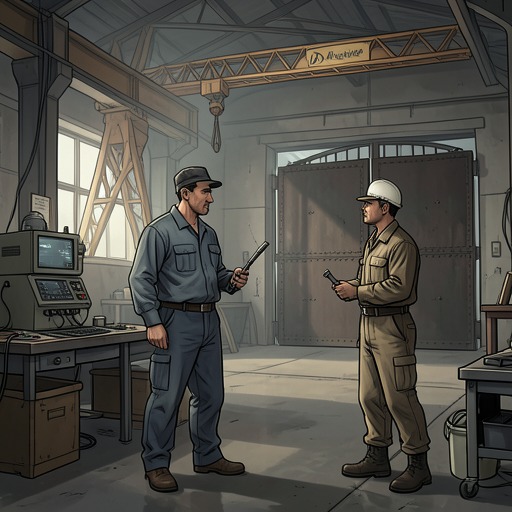
The payment is introduced by a representative of Maw and Meggins, who visits the family after Herbert’s accident. He first conveys the firm’s sincere sympathy, then makes clear that he is speaking as an employee obeying orders. The careful qualification separates the visitor’s role from the company’s position: he carries its message, but does not speak as someone personally responsible for what has happened.
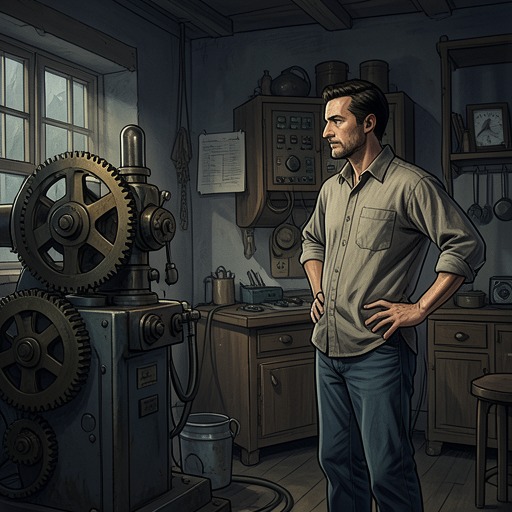
The representative says that Herbert was caught in the machinery. The blunt account makes the cause of death plain, while the language of the visit remains formal and controlled. Mr. White repeats the explanation in a dazed manner and says that Herbert was the only one left to them. His words place the payment against the particular human loss it will be asked to answer for: the family has not merely suffered an accident, but lost its only son.
The Company’s Position
The company’s message combines sympathy with a firm refusal of responsibility. The representative states that Maw and Meggins disclaims all responsibility and admits no liability; only after establishing that denial does he explain that, in consideration of Herbert’s services, the firm wishes to present the family with a certain sum as compensation. The order matters. The money is offered without an admission that the company is liable for the fatal accident.
This distinction is the full extent of what the scene establishes about the payment. It does not identify the sum as an insurance benefit or a legally fixed award, and it gives no account of negotiations or the family’s acceptance of any terms. Instead, it shows a company representative delivering both a disclaimer and an offer, leaving the material gesture inseparable from the employer’s denial of responsibility.
The Exact Sum and the Earlier Wish
When Mr. White asks how much the firm will pay, the answer is two hundred pounds. The amount has a precise and devastating echo: before the accident, Herbert had suggested that his father wish for two hundred pounds, saying that the sum would clear the house. Mr. White then held up the monkey’s paw and distinctly made that wish. At the time, the family treated the request as a way to meet a household need; the payment brings the same figure back only after Herbert’s death.
The coincidence changes the meaning of money without changing its number. Two hundred pounds first stands as an imagined solution to the family’s burden, and then arrives under the company’s description of compensation for Herbert’s services. Yet the offered sum does not deliver the happiness the wish seemed to promise. It has been made available through a loss that the money cannot reverse, and the story places the family’s earlier desire beside the reality of what the payment signifies.
The Family’s Response
The visitor’s explanation produces a brief, painful shift from relief to recognition. Mr. White’s wife first gives thanks, then stops as she understands the implication and sees the visitor’s averted face. The delay between hearing the reassuring words and grasping their meaning makes the scene’s emotional turn visible: the confirmation of compensation is also confirmation of the death that occasions it.
Mr. White asks how much with dry lips. On hearing the exact figure, he drops his wife’s hand, rises, and stares at the visitor in horror. He puts out his hands like a sightless man and collapses unconscious, while his wife shrieks. His response is not delight at receiving the sum he had wished for. The amount has become inseparable from the circumstances of its arrival, and its apparent fulfillment confronts him with the price at which it has come.
Meaning and Aftermath
The payment makes the difference between economic compensation and personal restoration impossible to ignore. Maw and Meggins can name a sum and offer it in consideration of Herbert’s services, but the family’s grief is not a debt that can be settled by the amount. The story does not supply a calculation of the money’s broader value; its decisive significance comes from the exact match with Mr. White’s wish and from the death that stands between the wish and its fulfillment.
The older couple bury Herbert in a cemetery some two miles away and return to a house steeped in shadow and silence. The narrative thus places the payment within an aftermath defined not by financial relief but by bereavement and expectation. The two hundred pounds answers the wording of the wish while failing its deeper hope: it brings money to a household that wanted its burdens eased, but cannot return the son whose death made it available.